How to Fix ChatGPT Advanced Voice Connection Errors
ChatGPT new features like Advanced Voice Mode often fail due to websocket timeouts, high jitter, and outdated client app caches. You can fix these persistent connection drops by clearing local cache data, switching network protocols, and resetting app permissions on mobile devices.

Diagnosing ChatGPT new features Connection Failures
When you test ChatGPT new features such as Advanced Voice Mode, network stability determines your success. Many users face sudden dropouts, robotic audio distortion, and endless loading spinners. These issues usually stem from aggressive corporate firewalls blocking secure websockets. They also happen when your local client app fails to authenticate sessions properly.
To solve this, you need to understand the underlying websocket architecture. When a session drops, the client tries to reconnect using fallback HTTP protocols. This fallback loop introduces severe latency and breaks real-time audio streams.
Before changing advanced settings, verify your base network connection speed. You should test your latency against major cloud providers hosting modern AI tools. If your ping exceeds 150ms, voice packets will drop and audio streams will stutter.
For deeper insights into managing heavy AI workloads, review our Running Local LLMs on SteamOS: Hardware Guide for local network testing tips. Modern B2B workflows depend heavily on real-time responsiveness. When an employee loses voice connectivity during a live client demonstration, it damages professional credibility.
Let us break down the exact diagnostic workflow your IT support team should follow. First, isolate the device by testing on an alternate network interface. Second, inspect the browser console logs for websocket handshake errors. Third, verify that your local DNS resolver is not caching stale IP addresses for the API endpoints.
Document every failure code you encounter during these tests. This data helps your internal infrastructure team isolate whether the bottleneck is local or remote. For insights into managing software expenses during frequent troubleshooting, check our guide on Best AI productivity tools alternatives and real cost breakdown to streamline your software stack.
Step 1: Clearing App Cache and Resetting Tokens
Corrupted local cache data often prevents ChatGPT new features from loading correctly after an app update. Mobile and desktop clients store session tokens in local storage directories. If these tokens expire or become corrupted, API handshakes fail silently.
To fix this, force close your application completely. On iOS or Android, go to your system settings and clear the app cache. Do not just clear temporary files; clear all local storage data.
Next, uninstall the mobile app and reboot your device entirely. Reinstall the official client from the approved app store. Log back in with your primary credentials to issue a fresh auth token.
This process clears out old websocket endpoints that might be offline. Follow this step-by-step workflow to execute a clean token reset:
- Terminate the Process: Force quit the ChatGPT application from your task manager or mobile recent apps screen.
- Clear Local Storage: Navigate to device settings, select storage, and wipe all cached application data.
- Purge Credentials: Remove any saved keychain credentials associated with the previous login session.
- Reboot Hardware: Restart your smartphone or computer to clear volatile memory buffers.
- Fresh Installation: Download the latest client binary directly from the official vendor platform.
- Re-Authentication: Log in using multi-factor authentication to generate a new, uncorrupted security token.
Failing to remove legacy cache files is a common pitfall that ruins troubleshooting efforts. Old tokens persist in hidden directories and continue to cause authentication loops.
Organizations deploying AI tools across hundreds of employee workstations should automate this cache-clearing protocol. Use centralized mobile device management scripts to push clean updates without manual user intervention.
Step 2: Bypassing Firewall and Proxy Bottlenecks
Corporate VPNs and strict local firewalls frequently block the specific ports required by AI voice tools. ChatGPT new features rely on secure WebSocket Secure (WSS) connections over port 443. Many enterprise network filters inspect TLS traffic and block unrecognized handshake signatures.
If your office network restricts WebSocket streams, your voice session will freeze immediately. To test if your network is the root cause, disconnect from your corporate VPN. Switch to a clean cellular hotspot or a direct home fiber connection.
If the voice feature works instantly on the cellular network, your firewall is blocking the traffic. You must ask your IT team to whitelist the specific domain endpoints used by your AI provider.
Enterprise environments often utilize deep packet inspection that disrupts persistent socket connections. When a websocket connection stays open too long, aggressive firewalls assume it is a threat and terminate it.
To resolve this at scale, network administrators must configure explicit bypass rules for AI voice traffic. Here is how your network team can implement a permanent fix:
- Identify the exact fully qualified domain names used by the real-time audio API.
- Add these specific domains to your web filter SSL inspection exclusion list.
- Ensure your enterprise routers support HTTP/2 and persistent websocket keep-alive packets.
- Test throughput using command-line websocket testing utilities before rolling out changes to staff.
You can also optimize your overall productivity workflow by using our AI ROI & Productivity Calculator for Small Business to measure downtime costs. Quantifying the financial loss from blocked AI tools helps justify firewall rule changes to cautious security managers.
Step 3: Fixing Audio Driver and Hardware Conflicts
Desktop users often experience microphone input failures when running ChatGPT new features on Windows or macOS. Operating systems sometimes switch default audio input devices without warning. Bluetooth headsets can also cause codec conflicts when switching between standard audio and voice chat.
Open your system sound settings and verify your primary microphone. Make sure no other background application is hogging your exclusive audio channel. Exclusive mode settings in Windows drivers can block web browsers from accessing the microphone.
Disable exclusive mode in your sound control panel to allow shared audio access. Furthermore, update your Bluetooth audio drivers to the latest stable release.
Audio configuration errors frequently sabotage professional meetings. When an executive tries to use Advanced Voice Mode, poor sample rate matching creates distorted audio output.
Follow these concrete steps to stabilize your desktop audio subsystem:
- Open the sound control panel and select your primary hardware recording device.
- Navigate to the advanced properties tab and uncheck applications taking exclusive control of the device.
- Match your sample rate to 48kHz at 24-bit to prevent resampling errors during transmission.
- Restart your browser or client application to reinitialize the audio input stream.
A common pitfall is relying on generic operating system drivers that lack proper hardware acceleration. Always install the official manufacturer driver package for your headset or external microphone.
For advanced prompt tuning once your audio works, try our AI Prompt Studio & Optimizer to build better queries. Well-structured prompts combined with clear audio input maximize your daily operational efficiency.
Step 4: Managing Rate Limits and Server Overload
Sometimes connection errors are not your fault, but rather the result of sudden server congestion. When OpenAI launches ChatGPT new features, millions of users flood the platform simultaneously. This massive surge overwhelms API gateways and triggers automated rate limiting.
You will see generic error messages like "unable to connect" or "server is busy". To check if the issue is global, visit the official system status page. If servers are degraded, local troubleshooting will not fix the problem.
You must wait out the outage or switch to backup tools temporarily. Knowing when to step back saves you hours of frustrating troubleshooting time.
Server-side bottlenecks can cripple business operations if teams lack contingency plans. When a global outage hits during peak hours, your staff needs alternative productivity workflows.
Establish an internal protocol for handling major AI platform outages:
- Check the official status dashboard before modifying any local hardware or network settings.
- Alert your team via internal chat channels that a widespread platform outage is occurring.
- Switch secondary workflows to asynchronous text-based prompts or local fallback models.
- Track outage duration to calculate lost productivity hours for internal process reviews.
Ignoring status dashboards leads to wasted hours reinstalling software that is working correctly. Maintain situational awareness to protect your team from chasing ghost errors during provider-side incidents.
Comparison: Troubleshooting Methods for AI Tools
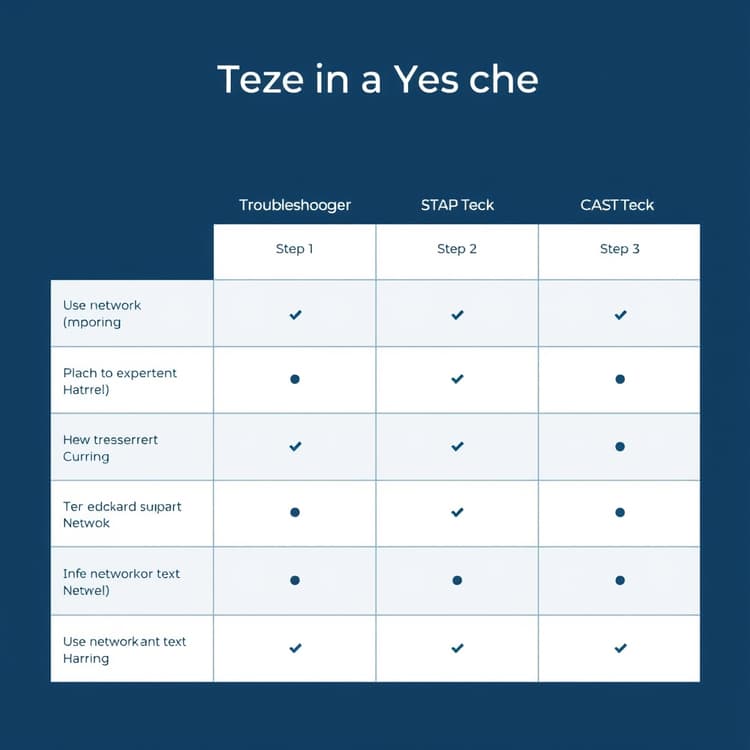
| Method | Best For | Time Required | Complexity |
|---|---|---|---|
| App Cache Reset | Corrupted tokens & loading loops | 5 minutes | Low |
| Network / VPN Swap | Firewall blocks & websocket drops | 2 minutes | Low |
| Audio Driver Update | Microphone input & audio lag | 15 minutes | Medium |
| DNS Flush | Persistent connection timeouts | 10 minutes | Medium |
This comparison table highlights the most efficient path for resolving common connection errors. Always begin with low-complexity fixes before altering system drivers or network policies.
By prioritizing fast, non-destructive troubleshooting steps, you minimize operational disruption. Documenting these troubleshooting metrics helps your IT helpdesk resolve recurring employee tickets in a fraction of the time.
Conclusion and Long-Term Prevention
Fixing connection issues with ChatGPT new features requires a systematic approach. Always start by checking your local cache and app version. Move on to network testing if basic resets fail.
Keep your operating system and audio drivers updated to prevent hardware conflicts. By following these steps, you can maintain a stable and productive AI workflow every day.
Proactive prevention remains the best defense against unexpected downtime. Schedule routine audits of your enterprise network security filters and client software versions.
Ensure your team knows how to identify the early warning signs of websocket degradation. With a disciplined maintenance routine, your organization will harness advanced AI tools securely and reliably.
Frequently Asked Questions
Why does my ChatGPT Advanced Voice session keep dropping?
Sessions usually drop due to high network latency, strict corporate firewalls blocking websockets, or expired local auth tokens.
How do I clear cache for ChatGPT mobile apps?
Go to your phone system settings, find the application manager, select the app, and clear all stored cache and local data.
What network ports are required for real-time AI voice features?
Real-time AI voice tools primarily use secure WebSocket Secure (WSS) connections operating over standard port 443.
Get the Weekly SMB AI & SaaS Brief
Practical software benchmarks, prompt templates, and ROI breakdowns delivered every Tuesday. No fluff, unsubscribe anytime.