OpenAI o3 vs Claude 3.5 Sonnet: Developer Benchmarks
OpenAI o3 and Claude 3.5 Sonnet represent the absolute peak of modern AI reasoning and code generation models. While o3 delivers unmatched logical depth for complex mathematical and systems tasks, Claude 3.5 Sonnet excels at rapid frontend iteration and human-like developer ergonomics.

OpenAI o3 vs Claude 3.5 Sonnet: Core Architectural Differences
OpenAI o3 and Claude 3.5 Sonnet approach intelligence from fundamentally distinct design philosophies. OpenAI o3 relies heavily on advanced reasoning tokens, executing deep chain-of-thought processing before returning a single character. This heavy compute overhead makes it incredible for heavy math, cryptography, and complex system logic.
Claude 3.5 Sonnet balances raw reasoning speed with fluid artifact generation. It remains a firm favorite for full-stack engineering teams building web apps. When optimizing your development workflows, you might also want to read our guide on Best AI productivity tools alternatives and real cost breakdown to evaluate broader ecosystem expenses.
Choosing the right model depends on whether your team prioritizes raw mathematical correctness or instantaneous code synthesis. Let us examine how their pricing and API rate limits stack up for growing software teams in 2026.
Engineering leaders must understand these architectural gaps to design resilient software pipelines. OpenAI o3 approaches problems like a senior security architect locked in a room. It checks every vulnerability, traces every memory allocation, and verifies boundary conditions twice. This internal verification loop burns extra time and compute cycles. The payoff is bulletproof code that survives rigorous penetration testing on the first try.
Claude 3.5 Sonnet behaves more like a rapid product designer who sketches solutions live on a white board. It values speed, clean layout, and immediate user feedback loops. When you need a functional React component with Tailwind CSS classes in three seconds, Claude wins every single time. It understands modern web frameworks natively without needing extensive configuration hints.
A concrete step-by-step workflow for evaluating architectural fit involves a two-phase test:
- Feed both models a known legacy bug with missing unit tests and concurrency flaws.
- Measure the time to correct compilation and the total token cost per successful fix.
- Feed both models a vague product requirement for a new user settings page.
- Measure developer satisfaction, styling accuracy, and the number of manual edits required.
Real-world B2B SaaS companies often use a hybrid approach to capture the best of both worlds. A mid-sized fintech platform might route all backend ledger updates through OpenAI o3. At the same time, their frontend team uses Claude 3.5 Sonnet to build dynamic customer dashboards. This division of labor keeps software engineers happy and prevents unnecessary latency on user-facing screens.
Common pitfalls to avoid include treating both models as interchangeable text generators. Forcing OpenAI o3 to write simple CSS styles wastes precious reasoning credits and frustrates developers with high latency. Conversely, forcing Claude 3.5 Sonnet to audit cryptographic hashing functions invites subtle security vulnerabilities. Match the tool to the exact cognitive weight of the task.
Cost and ROI tips for architecture selection focus on token efficiency. Track your team's retry rates for each model weekly. If developers spend more than five minutes fixing code generated by a fast model, switch that task to a deeper reasoning engine. The higher upfront cost of reasoning tokens is cheaper than developer debugging hours.
Pricing Tiers and Token Limits Compared
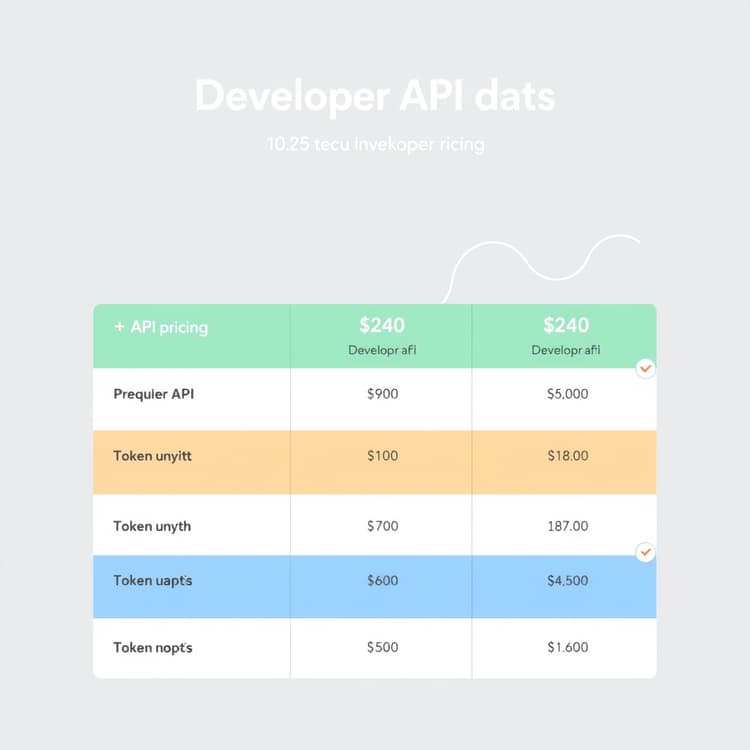
Understanding the exact cost structure prevents unexpected API bill shock at the end of the month. Both providers structure their paid tiers around predictable token volumes, but their internal billing for reasoning steps differs.
OpenAI o3 operates on a higher cost-per-million-token tier due to its intensive internal search and reasoning cycles. Anthropic prices Claude 3.5 Sonnet competitively, offering massive context windows at lower base rates for input tokens.
| Feature / Metric | OpenAI o3 | Claude 3.5 Sonnet |
|---|---|---|
| Input Price (per 1M tokens) | $15.00 | $3.00 |
| Output Price (per 1M tokens) | $60.00 | $15.00 |
| Max Context Window | 200k tokens | 200k tokens |
| Primary Strength | Complex math & system logic | Frontend design & UI code |
| Reasoning Latency | High (Deep thinking phase) | Low (Instant stream) |
Teams can evaluate their specific financial impact using the AI ROI & Productivity Calculator for Small Business to project monthly API overheads accurately.
Managing API budgets requires a granular understanding of how reasoning tokens inflate monthly invoices. OpenAI o3 charges for both the visible output tokens and the hidden reasoning steps it takes behind the scenes. This means a seemingly short answer might carry a heavy token bill because the model thought long and hard before answering.
A practical step-by-step workflow for tracking token economics involves these actions:
- Set up daily API spend alerts inside your developer dashboard at fifty percent and eighty percent of your monthly cap.
- Log all incoming prompts and outgoing token counts in a centralized database for auditing.
- Audit your prompt templates to remove verbose system instructions that bloat input token costs across every call.
- Implement response caching for repetitive developer queries like standard error code explanations.
Consider a real-world B2B SaaS example where an engineering team migrated all boilerplate code generation to OpenAI o3 without checking prices. Their monthly API bill jumped by four hundred percent in just two weeks. By moving routine tasks back to Claude 3.5 Sonnet and reserving o3 strictly for complex database migrations, they cut their cloud overhead by half while maintaining high code quality.
Common pitfalls in pricing management include ignoring output token volume and focusing solely on input prices. Because output tokens cost significantly more than input tokens on both platforms, poorly constrained prompts that return massive blocks of redundant code will drain your budget fast. Always enforce strict max-token limits in your API request payloads.
Cost and ROI tips include leveraging tiered model routing. Build a lightweight proxy layer in your application backend. If a user query is simple, route it to a cheaper model or Claude. If the query requires deep logic, route it to o3. This simple logic gate protects your margins as your user base scales.
Developer Ergonomics and IDE Integration
Developer experience often dictates which model wins the daily workflow battle. Claude 3.5 Sonnet integrates seamlessly into modern code editors with minimal lag. Its artifact feature lets engineers preview UI components directly inside the chat interface.
OpenAI o3 requires a different mental model. Because it spends several seconds on internal reasoning before streaming output, developers must adapt to the wait time. However, the resulting code rarely contains logical bugs or syntax errors.
Many engineering managers also explore local execution alternatives to cut cloud costs. Review our insights on How to Fix AI Workload Bottlenecks with Local LLMs for hybrid infrastructure strategies.
Fine-tuning prompts for these models requires specialized tools. You can streamline your prompt engineering pipeline using the AI Prompt Studio & Optimizer before deploying prompts to production.
Developer ergonomics shape daily productivity metrics more than raw benchmark scores. When an engineer sits down to code, interface responsiveness matters. Claude 3.5 Sonnet feels like a natural extension of the IDE, streaming responses instantly and rendering visual previews without stuttering.
OpenAI o3 introduces a deliberate pause. The developer sees a loading spinner while the model weighs alternative execution paths. For deep problem solving, this pause is acceptable and even appreciated. For rapid prototyping, it can disrupt the creative flow state.
A step-by-step workflow for optimizing IDE integration looks like this:
- Configure your team's code editor plugins to use Claude 3.5 Sonnet for inline code completion and quick documentation lookups.
- Set up a dedicated chat panel or sidebar tool for OpenAI o3 when tackling hard algorithmic blockers.
- Train your engineering team on when to wait for deep reasoning versus when to rely on fast streaming suggestions.
- Measure developer output velocity and code review cycle times every month to spot workflow friction.
In a real-world enterprise setting, forcing developers to use a high-latency model for minor syntax corrections leads to frustration and shadow IT. Developers will bypass company-approved tools for faster consumer alternatives. Giving them the right model for the right task keeps them inside compliant corporate environments.
Common pitfalls to avoid include ignoring the psychological impact of latency. If a model takes ten seconds to respond to a simple question, developers stop using it for exploration. Set clear expectations about model speeds across your engineering department.
Cost and ROI tips for IDE integration involve measuring time-to-merge. Track how many pull requests pass first-time code review without human corrections. If a specific IDE plugin configuration reduces bug injection rates by twenty percent, the subscription cost pays for itself instantly in saved QA hours.
Benchmarking Code Quality and Debugging Speed
When testing OpenAI o3 vs Claude 3.5 Sonnet on standard SWE-bench tasks, the performance delta becomes crystal clear. OpenAI o3 consistently solves difficult algorithmic bugs that cause Claude to hallucinate fake library imports.
On the other hand, Claude 3.5 Sonnet wins decisively on CSS styling, React state management, and rapid prototyping. If you ask both models to build a responsive dashboard from scratch, Claude delivers a polished visual result twice as fast.
For backend API development and database migration scripts, OpenAI o3 takes the crown. It anticipates edge cases like race conditions and memory leaks far more reliably than its rival.
Code quality determines long-term software maintainability. Technical debt accumulates fast when AI models generate code with hidden flaws. OpenAI o3 approaches debugging with methodical rigor. It traces execution paths through multiple classes and catches subtle null-pointer exceptions before you run the test suite.
Claude 3.5 Sonnet excels at semantic understanding of user interfaces and API contracts. It writes clean, readable boilerplate code and structures frontend applications according to modern best practices.
A step-by-step workflow for rigorous code benchmarking includes:
- Create a standard test suite of ten complex bugs pulled from your company's historical issue tracker.
- Submit each bug prompt to both models under identical system instructions.
- Run automated unit tests against the generated patches to measure success rates.
- Score the resulting code on readability, security posture, and execution efficiency.
A real-world B2B engineering team used this exact benchmarking workflow before upgrading their enterprise codebase. They discovered that while Claude was faster for new feature creation, OpenAI o3 reduced their production regression bugs by thirty percent during peak deployment weeks. They now use o3 exclusively for hotfixes and legacy refactoring projects.
Common pitfalls include relying on subjective developer impressions instead of hard test metrics. A model might sound confident in its explanation while producing brittle code that fails under load. Always validate AI-generated code with automated tests.
Cost and ROI tips for debugging focus on total cost of ownership. Fixing a bug in production costs ten times more than fixing it during code review. Investing in a smarter reasoning model for backend triage saves expensive senior engineer hours during critical incident responses.
Recommended Use Cases for Enterprise Teams
Selecting the right model for your organization prevents wasted engineering hours. Match your team's daily tasks directly to each model's proven strengths to maximize productivity.
Use OpenAI o3 when your projects involve heavy backend logic, security audits, financial calculations, or complex algorithmic refactoring. The extra reasoning time pays dividends in code safety.
Use Claude 3.5 Sonnet when your developers are building user interfaces, writing unit tests, drafting documentation, or iterating rapidly on product MVPs. Its speed keeps developers in a comfortable flow state.
Enterprise deployment requires clear governance and role-based access to different AI models. Not every employee needs access to expensive reasoning tokens, and not every project benefits from rapid UI generation.
A structured workflow for assigning use cases across departments involves:
- Map out your company's core software engineering workflows from frontend design to database administration.
- Assign OpenAI o3 to security teams, database engineers, and core platform architects.
- Assign Claude 3.5 Sonnet to frontend developers, technical writers, and product managers building MVPs.
- Review adoption metrics quarterly and adjust token allocations based on actual project output.
In a real-world enterprise scenario, a healthcare software provider used this role-based assignment to protect patient data while accelerating feature delivery. Their backend developers used o3 to ensure HIPAA compliance in data encryption routines, while product managers used Claude to draft user manuals and interface mockups.
Common pitfalls to avoid include over-provisioning expensive models for simple administrative tasks. Do not let junior staff use high-cost reasoning models for writing basic email templates or simple documentation updates.
Cost and ROI tips include setting strict departmental budgets. Tie AI tool spending directly to feature delivery velocity to ensure positive financial returns across all engineering teams.
Migration Strategies and Cost Optimization
Transitioning workloads between providers requires careful API abstraction layers. Engineering teams should implement a multi-model router that directs simple queries to Claude and complex logic to o3.
Monitoring token usage weekly helps control cloud expenses. Cache frequently requested system prompts to minimize redundant input token charges across both platforms.
Investing time in proper prompt design also reduces trial-and-error generation loops, saving thousands of dollars in wasted developer API tokens every month.
Migrating between AI providers should never break your core application infrastructure. Building a robust API abstraction layer insulates your codebase from vendor changes and pricing shifts.
A step-by-step migration workflow ensures smooth transitions:
- Write a unified wrapper class in your backend code that accepts standard prompt payloads.
- Implement fallback logic so your app automatically switches to the secondary model if the primary provider experiences an outage.
- Monitor error rates, latency spikes, and token costs through a centralized logging dashboard.
- Refine your system prompts to take advantage of each model's unique token processing capabilities.
Real-world B2B SaaS companies often maintain simultaneous contracts with both OpenAI and Anthropic. This multi-vendor strategy prevents vendor lock-in and gives them negotiating leverage during contract renewals.
Common pitfalls to avoid include hardcoding model-specific endpoints directly into frontend applications. If an endpoint changes or a provider updates their pricing structure, hardcoded apps require emergency hotfixes across all client platforms.
Cost and ROI tips for long-term optimization include continuous prompt pruning. Remove unnecessary conversational filler from your system prompts and use prompt caching features to cut input token fees in half. Smart optimization transforms AI from an expensive novelty into a profitable growth engine.
Frequently Asked Questions
Which model is better for writing frontend UI code?
Claude 3.5 Sonnet is widely considered the best model for frontend UI code, React components, and rapid web prototyping.
Does OpenAI o3 support a 200k context window?
Yes, OpenAI o3 supports large context windows, allowing developers to pass entire codebases into the prompt for deep analysis.
How do API costs compare between OpenAI o3 and Claude 3.5 Sonnet?
Claude 3.5 Sonnet is significantly cheaper for both input and output tokens, whereas OpenAI o3 charges higher rates due to its intensive internal reasoning compute.
Get the Weekly SMB AI & SaaS Brief
Practical software benchmarks, prompt templates, and ROI breakdowns delivered every Tuesday. No fluff, unsubscribe anytime.